
How I Would Learn Digital Marketing
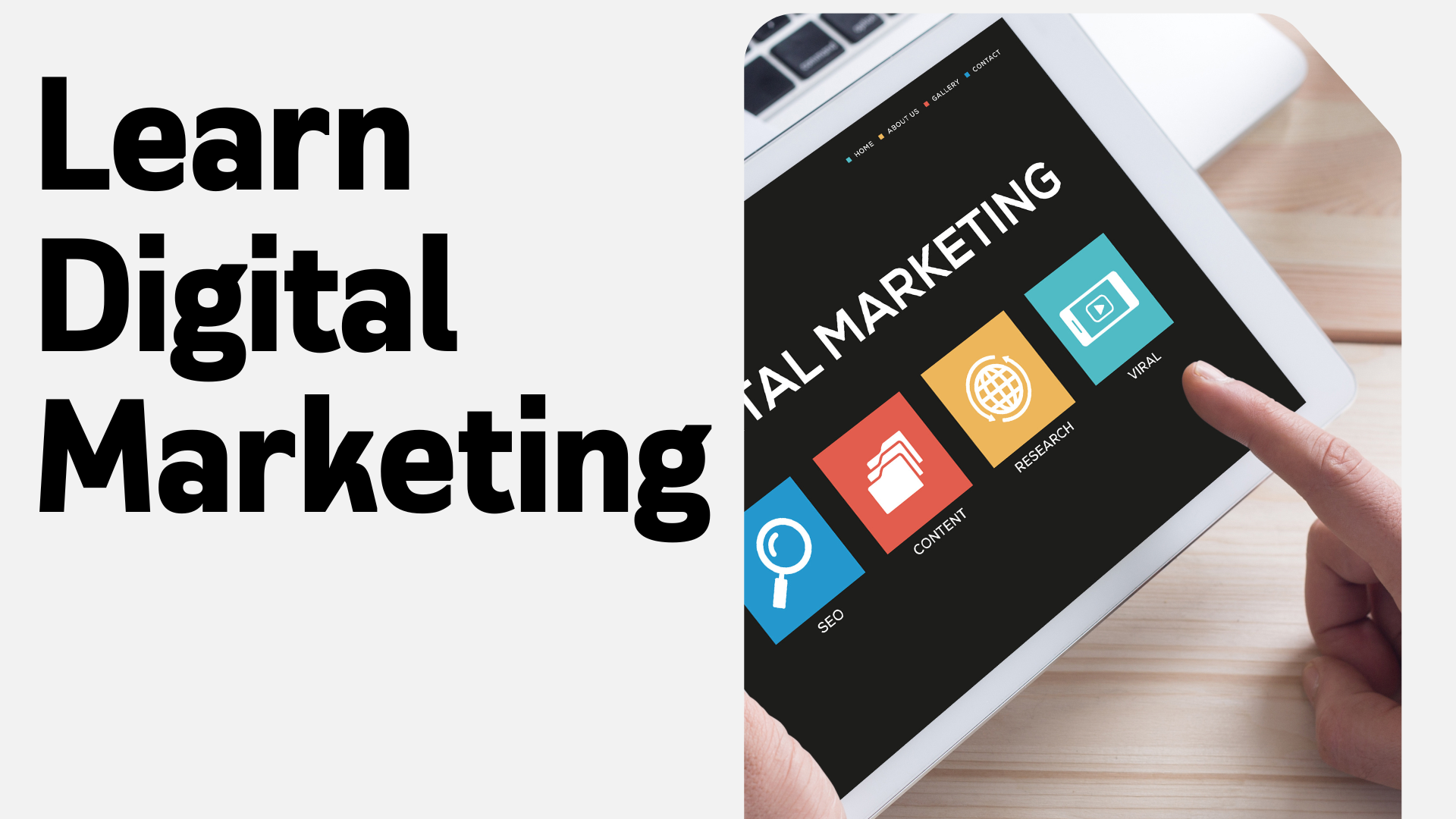
Starting a new career path can feel overwhelming. However, when I decided to learn digital marketing, I found that breaking it down into simple steps made everything easier. In this guide, I will share my personal approach to mastering this exciting field. Whether you want to boost your career or start your own business, this roadmap will help you succeed.
Digital marketing has become one of the most sought-after skills in today’s world. Therefore, understanding how to learn digital marketing effectively can open countless doors for you. Let me walk you through my journey and the strategies that worked best for me.
Why I Chose to Learn Digital Marketing
First and foremost, I realized that traditional marketing was changing fast. Companies were moving their budgets online, and I wanted to be part of this shift. Moreover, the flexibility of working from anywhere attracted me to this field.
Additionally, the earning potential in digital marketing is impressive. From social media managers to SEO specialists, the job market keeps growing. As a result, I knew investing time to learn digital marketing would pay off in the long run.
Furthermore, the creative aspect of this field excited me. I could combine analytical thinking with artistic expression. This balance made the learning process enjoyable rather than tedious.
Setting Clear Goals Before Starting
Before diving into any course or book, I sat down and defined my goals. This step is crucial because digital marketing covers many areas. Without clear direction, you might feel lost or spread yourself too thin.
Identifying My Focus Area
I asked myself several questions to narrow down my focus. What type of work excites me? Do I prefer writing content or analyzing data? Am I more interested in social media or search engines?
After some reflection, I decided to start with content marketing and SEO. These foundations would help me understand how online visibility works. Later, I could branch out to other specializations.
Creating a Timeline
Next, I set a realistic timeline for my learning journey. I gave myself six months to grasp the basics. Then, I planned another six months to gain practical experience. Having this structure kept me motivated and accountable.
Free Resources That Helped Me Learn Digital Marketing
One of the best things about this field is the abundance of free learning materials. You do not need to spend thousands of dollars to get started. Here are the resources that helped me the most.
Google’s Free Certifications
Google offers excellent free courses through their Digital Garage platform. These courses cover everything from search engine basics to analytics. Moreover, you earn certificates that you can add to your resume.
I completed the Fundamentals of Digital Marketing course first. It took me about forty hours, but the knowledge gained was invaluable. The course uses simple language and real-world examples.
YouTube Tutorials
YouTube became my second classroom. Countless experts share their knowledge for free on this platform. I followed channels that explained concepts in easy-to-understand ways.
However, I had to be careful about outdated information. Digital marketing changes quickly, so I always checked when videos were uploaded. Sticking to recent content ensured I learned current best practices.
Industry Blogs and Websites
Reading industry blogs helped me stay updated with trends. Sites like Moz, HubSpot, and Neil Patel’s blog became my daily reading material. These resources provided deep insights into various strategies.
Paid Courses Worth the Investment
While free resources are great, some paid courses offer structured learning paths. After exhausting free options, I invested in a few premium courses. Here is what I found helpful.
Online Learning Platforms
Platforms like Coursera, Udemy, and LinkedIn Learning offer comprehensive courses. I chose courses taught by industry professionals with proven track records. Reading reviews before purchasing helped me avoid low-quality content.
The structured curriculum of paid courses saved me time. Instead of jumping between random tutorials, I followed a clear learning path. This approach made my studying more efficient.
Specialized Bootcamps
For those wanting intensive training, bootcamps are an option. These programs compress months of learning into weeks. Although expensive, they provide hands-on experience and networking opportunities.
I attended a weekend workshop focused on social media advertising. The intensive format forced me to apply what I learned immediately. This practical approach accelerated my understanding significantly.
Gaining Practical Experience
Theory without practice is meaningless in digital marketing. Therefore, I focused on applying my knowledge as soon as possible. Here are the methods that worked for me.
Starting My Own Projects
I created a blog to practice content marketing and SEO. This project became my laboratory for testing different strategies. Making mistakes on my own site was better than making them for clients.
Additionally, I started social media accounts for my blog. Managing these accounts taught me about engagement, scheduling, and analytics. The hands-on experience was more valuable than any course.
Volunteering for Small Businesses
Many small businesses need digital marketing help but cannot afford agencies. I offered my services to local shops at reduced rates. This arrangement benefited both parties.
Working with real clients taught me about communication and expectations. I learned that technical skills are only part of the job. Understanding client needs and delivering results matter equally.
Internships and Entry-Level Positions
Eventually, I applied for internships at marketing agencies. Even unpaid internships provided access to professional tools and mentorship. The experience I gained made me more competitive in the job market.
Tools Every Beginner Should Master
Digital marketing relies heavily on various tools and platforms. Learning to use these tools efficiently is essential for success. Here are the ones I prioritized.
Analytics Tools
Google Analytics became my best friend. Understanding website traffic and user behavior helped me make data-driven decisions. I spent considerable time learning how to interpret reports and set up tracking.
Similarly, Google Search Console taught me about search performance. These free tools provide insights that would cost thousands from other sources.
Social Media Management Platforms
Tools like Hootsuite and Buffer simplified social media management. Scheduling posts in advance saved hours of daily work. Moreover, their analytics features helped me understand what content performed best.
Email Marketing Software
Email marketing remains one of the most effective channels. I learned to use platforms like Mailchimp and ConvertKit. Understanding email automation and segmentation became crucial skills.
Building a Professional Network
Success in digital marketing often depends on who you know. Therefore, I invested time in building meaningful connections. Networking opened doors that skills alone could not.
Joining Online Communities
Facebook groups, Reddit communities, and LinkedIn groups became valuable resources. I asked questions, shared insights, and learned from others’ experiences. These communities provided support during challenging times.
Attending Industry Events
Conferences and meetups offered opportunities to meet experts face-to-face. Even virtual events during recent years provided networking chances. I collected contacts and followed up with personalized messages.
Finding Mentors
Having a mentor accelerated my growth tremendously. I reached out to professionals whose work I admired. Most people are willing to help if you approach them respectfully.
Staying Updated in a Changing Field
Digital marketing evolves constantly. What works today might become obsolete tomorrow. Therefore, continuous learning is not optional but necessary.
Following Industry News
I subscribed to newsletters from leading marketing websites. These daily or weekly updates kept me informed about algorithm changes and new features. Staying ahead of trends gave me competitive advantages.
Experimenting with New Platforms
When new social platforms emerge, I try them early. Being an early adopter on platforms like TikTok proved beneficial. Understanding new channels before they become mainstream creates opportunities.
Common Mistakes to Avoid
Looking back, I made several mistakes that slowed my progress. Sharing these can help you avoid similar pitfalls.
First, I tried to learn everything at once. This approach led to confusion and burnout. Focusing on one area at a time would have been more effective.
Second, I underestimated the importance of copywriting. Good writing skills are fundamental to almost every digital marketing role. Investing in improving my writing paid dividends across all channels.
Third, I neglected soft skills initially. Client communication, project management, and teamwork matter as much as technical abilities. Developing these skills made me more effective overall.
Final Thoughts on My Learning Journey
My decision to learn digital marketing transformed my career and life. The field offers endless opportunities for those willing to put in the work. Moreover, the skills you gain transfer across industries and roles.
Remember that everyone’s journey looks different. What worked for me might need adjustments for your situation. However, the core principles of continuous learning, practical application, and networking remain universal.
Start today, stay consistent, and celebrate small victories along the way. The digital marketing world is waiting for you to make your mark.
Referred Resources for Further Learning:
For more insights and resources on digital marketing and technology, visit: