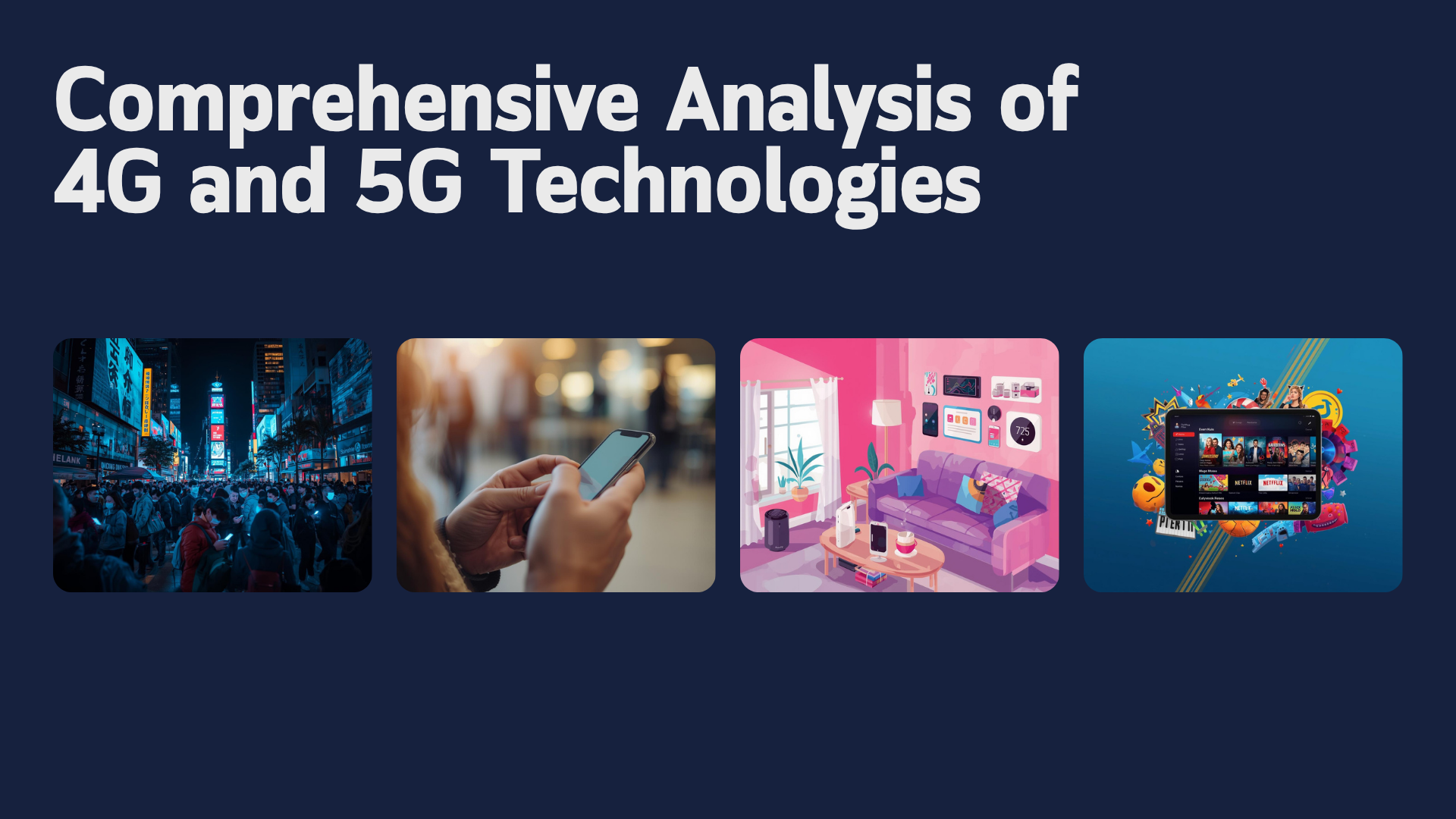

The Evolution of Mobile Networks: A Comprehensive Analysis of 4G and 5G Technologies
Introduction: Understanding the Journey of 4G and 5G Networks
The mobile network landscape has transformed dramatically over the past decade, with 4G and 5G technologies leading this revolutionary change. Furthermore, these advanced networks have reshaped how we communicate, work, and interact with digital content in our daily lives. As we witness the ongoing transition from 4G to 5G networks, understanding their evolution becomes essential for consumers, businesses, and technology enthusiasts alike.
Moreover, the development of 4G and 5G represents more than just speed improvements; it signifies a fundamental shift in how mobile networks operate and serve society. While 4G brought us reliable mobile internet and streaming capabilities, 5G promises to unlock possibilities we’re only beginning to imagine. Therefore, this comprehensive analysis explores the evolution, capabilities, and impact of 4G and 5G technologies, providing clear insights into their past, present, and future roles in our connected world.
The Historical Development of 4G and 5G Technologies
From Early Networks to Modern Connectivity
Before examining 4G and 5G in detail, it’s important to understand the journey that brought us here. Mobile networks began with 1G in the 1980s, offering basic voice calls through analog signals. Subsequently, 2G introduced digital communication and text messaging in the 1990s. Then came 3G in the early 2000s, bringing mobile internet to millions of users worldwide.
Furthermore, each generation built upon previous achievements, creating foundations for future innovations. The transition from 3G to 4G marked a significant leap, as mobile internet became fast enough for video streaming and complex applications. Additionally, this progression shows how network evolution responds to growing user demands and technological possibilities. Consequently, understanding this history helps us appreciate the remarkable advances in 4G and 5G technologies.
The Launch and Adoption of 4G Networks
4G networks began commercial deployment around 2010, revolutionizing mobile connectivity worldwide. These networks introduced LTE (Long-Term Evolution) technology, delivering speeds up to 100 Mbps for mobile users. Moreover, 4G enabled smooth video streaming, video calling, and mobile gaming experiences that seemed impossible just years earlier.
Additionally, the widespread adoption of 4G and 5G technologies followed different patterns across regions. Developed nations quickly built extensive 4G infrastructure, while developing countries leapfrogged older technologies to adopt 4G directly. Furthermore, 4G became the backbone of the smartphone revolution, enabling apps and services that define modern mobile experiences. Therefore, 4G’s success created both the demand and technological foundation for 5G development.
Technical Specifications: Comparing 4G and 5G
Speed and Performance Metrics
The most noticeable difference between 4G and 5G lies in their speed capabilities. While 4G typically delivers 20-100 Mbps in real-world conditions, 5G can achieve speeds exceeding 1 Gbps. Moreover, theoretical maximum speeds for 5G reach up to 20 Gbps, though actual speeds depend on various factors including location and network congestion.
Furthermore, these speed improvements enable entirely new use cases for mobile networks. 4G made HD video streaming mainstream, but 5G supports 4K and even 8K streaming without buffering. Additionally, faster speeds mean large file downloads complete in seconds rather than minutes. Consequently, the speed advantages of 4G and 5G networks directly impact user productivity and entertainment experiences.
Latency Improvements in 4G and 5G
Beyond speed, latency represents another crucial advancement in network evolution. 4G networks typically experience 30-50 milliseconds of latency, which works well for most applications. However, 5G reduces latency to as low as 1 millisecond, creating near-instantaneous response times.
Moreover, this dramatic latency reduction enables applications requiring real-time responsiveness. Cloud gaming becomes seamless on 5G, as controller inputs register instantly on remote servers. Furthermore, low latency supports critical applications like remote surgery and autonomous vehicle communication. Therefore, while 4G and 5G both offer low latency compared to older networks, 5G’s ultra-low latency opens entirely new possibilities.
Infrastructure and Deployment Challenges
Network Architecture Differences
The infrastructure supporting 4G and 5G networks differs significantly in design and implementation. 4G relies primarily on large cell towers covering wide areas, typically several miles in radius. Meanwhile, 5G requires a denser network of smaller cells, especially for high-frequency millimeter wave deployments.
Furthermore, 5G introduces network slicing capabilities, allowing operators to create virtual networks optimized for specific uses. This flexibility means a single 5G network can simultaneously support consumer smartphones, IoT devices, and critical infrastructure. Additionally, edge computing integration in 5G networks processes data closer to users, reducing latency and bandwidth requirements. Consequently, the architectural advances in 4G and 5G reflect changing demands for network flexibility and performance.
Coverage and Availability Considerations
Currently, 4G networks provide near-universal coverage in developed nations and growing coverage in developing regions. However, 5G deployment remains concentrated in urban areas and specific corridors. Moreover, the different frequency bands used by 5G create coverage variations, with low-band 5G offering wide coverage but modest speed improvements over 4G.
Additionally, building comprehensive 5G coverage requires significant infrastructure investment and time. Rural areas may wait years for 5G availability, while 4G continues serving their connectivity needs. Furthermore, indoor 5G coverage presents challenges due to signal penetration limitations at higher frequencies. Therefore, 4G and 5G will coexist for many years as coverage gradually expands.
Real-World Applications of 4G and 5G
Consumer Applications and Services
For everyday users, 4G and 5G enable different levels of mobile experiences. 4G supports most current smartphone activities including social media, streaming services, and video calls. Meanwhile, 5G enhances these experiences with faster loading times and higher quality options.
Moreover, 5G enables new consumer technologies like augmented reality shopping and immersive virtual events. Mobile cloud gaming becomes viable with 5G’s low latency and high speeds. Furthermore, 5G supports multiple device connections without performance degradation, perfect for smart home ecosystems. Consequently, while 4G meets current needs, 5G prepares networks for future consumer demands.
Business and Industrial Applications
The business impact of 4G and 5G extends far beyond faster employee smartphones. 4G enabled mobile workforce productivity through reliable connectivity for remote work tools. However, 5G transforms entire industries through massive IoT deployments and real-time automation.
Additionally, manufacturing facilities use 5G for connected robotics and quality control systems requiring instant communication. Healthcare providers leverage 5G for remote patient monitoring and telemedicine applications. Furthermore, retail businesses deploy 5G-powered inventory tracking and customer analytics systems. Therefore, 4G and 5G technologies drive digital transformation across every industry sector.
Economic Impact of 4G and 5G Deployment
Investment and Infrastructure Costs
Deploying 4G and 5G networks requires massive capital investments from telecommunications companies. 4G infrastructure development cost hundreds of billions globally over the past decade. Meanwhile, 5G deployment costs are estimated to exceed one trillion dollars worldwide by 2030.
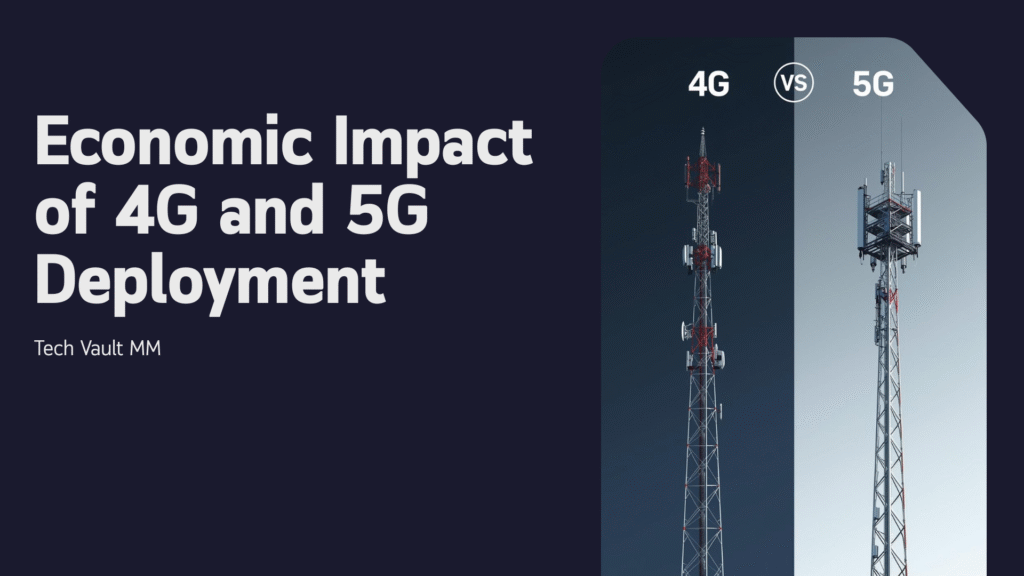
Furthermore, these investments create ripple effects throughout economies. Construction jobs emerge for tower installation and fiber optic cable laying. Moreover, technology companies hire engineers to develop 5G equipment and software. Additionally, the improved connectivity from 4G and 5G networks enables new businesses and services to flourish. Consequently, network infrastructure investments generate returns far beyond direct telecommunications revenue.
Market Competition and Innovation
The evolution of 4G and 5G has intensified competition among network operators and equipment manufacturers. Companies race to offer the fastest speeds and widest coverage to attract customers. Moreover, this competition drives innovation in network technologies and service offerings.
Additionally, new players enter markets previously dominated by traditional telecommunications companies. Tech giants invest in private 5G networks for their facilities. Furthermore, satellite companies propose global coverage solutions to complement terrestrial 4G and 5G networks. Therefore, competition surrounding these technologies benefits consumers through better services and lower prices.
Security and Privacy Considerations in 4G and 5G
Enhanced Security Features
Both 4G and 5G incorporate advanced security measures to protect user data and network integrity. 5G introduces improved encryption algorithms and authentication protocols compared to 4G. Moreover, network slicing in 5G allows isolation of critical services from general traffic.
Furthermore, 5G addresses known vulnerabilities discovered in 4G implementations over the years. Regular security updates patch emerging threats in both network generations. Additionally, operators implement monitoring systems to detect and respond to security incidents quickly. Consequently, 4G and 5G networks provide robust security, though vigilance remains essential as threats evolve.
Privacy Challenges and Solutions
The increased connectivity of 4G and 5G raises important privacy considerations. These networks enable detailed location tracking and usage pattern analysis. Moreover, the vast amount of data transmitted through modern networks creates privacy risks if improperly handled.
However, regulations like GDPR provide frameworks for protecting user privacy on 4G and 5G networks. Network operators implement data minimization and anonymization techniques. Furthermore, users can control privacy settings and permissions for applications using network services. Therefore, balancing connectivity benefits with privacy protection remains an ongoing challenge for 4G and 5G deployments.
Environmental Impact and Sustainability
Energy Consumption Patterns
The environmental footprint of 4G and 5G networks deserves careful consideration. 5G base stations consume more power than 4G equivalents, especially for high-frequency deployments. However, 5G’s greater efficiency per bit of data transmitted partially offsets this increased consumption.
Moreover, network operators invest in renewable energy sources to power their infrastructure. Smart power management systems reduce energy waste during low-traffic periods. Furthermore, newer equipment designs improve energy efficiency for both 4G and 5G networks. Consequently, the telecommunications industry works to minimize environmental impacts while expanding network capabilities.
Future Outlook: Beyond Current 4G and 5G
The Path to 6G and Beyond
While 5G deployment continues, researchers already explore next-generation network technologies. 6G development aims for terabit speeds and holographic communications by 2030. Moreover, future networks may integrate satellite, terrestrial, and underwater communications seamlessly.
Additionally, artificial intelligence will play larger roles in network management and optimization. Quantum communication technologies may provide unprecedented security for sensitive data. Furthermore, biological and technological systems might merge through advanced network interfaces. Therefore, 4G and 5G represent steps in the ongoing evolution of human connectivity.
Conclusion: The Continuing Evolution of Mobile Networks
The journey from 4G to 5G represents a remarkable achievement in telecommunications technology. Throughout this analysis, we’ve explored how 4G and 5G differ in capabilities, applications, and impacts on society. Furthermore, we’ve seen how these technologies complement each other rather than simply replacing one another.
Moreover, the evolution of 4G and 5G demonstrates humanity’s growing dependence on mobile connectivity. These networks enable innovations that improve lives, drive economic growth, and connect global communities. Additionally, they create foundations for future technologies we’re only beginning to imagine.
As we move forward, 4G and 5G will continue shaping our digital experiences for years to come. Understanding their capabilities and limitations helps us make informed decisions about technology adoption. Ultimately, these networks represent not just technical achievements but enablers of human progress and connection.
References:
- Digital New IT – Stay updated on the latest developments in mobile network technologies and digital innovation
- Tech Vault MM – Your comprehensive source for telecommunications insights and technology analysis