
How to Optimize Your PC for Gaming Performance: Complete Guide
Every gamer wants smooth gameplay and fast loading times. Learning how to optimize your PC for gaming performance can dramatically improve your experience. Lag, stuttering, and slow frame rates frustrate players and ruin immersive moments. This guide will show you proven methods to get the best possible performance from your gaming computer.
Whether you have a high-end machine or a budget build, optimization matters greatly. When you optimize your PC for gaming performance, you unlock hidden potential in your hardware. These techniques require no expensive upgrades and deliver noticeable results immediately. Let me walk you through everything you need to know.
Understanding Why Gaming Optimization Matters
Before diving into specific techniques, understanding the basics helps tremendously. Your computer juggles many tasks simultaneously while running games. Optimization ensures gaming receives maximum available resources at all times.
How Games Use Your Hardware
Modern games demand significant processing power from multiple components. Your CPU handles game logic, physics calculations, and artificial intelligence. Meanwhile, your GPU renders graphics and displays everything on screen.
Furthermore, RAM stores temporary data for quick access during gameplay. Your storage drive loads game files and textures constantly. All these components must work together harmoniously for smooth performance.
Additionally, background processes compete for these same resources continuously. Every unnecessary program steals power from your games. Understanding this competition explains why optimization delivers such noticeable improvements.
Signs Your PC Needs Optimization
Several symptoms indicate your system needs attention and tuning. Low frame rates make games feel choppy and unresponsive. Moreover, long loading times waste your valuable gaming time unnecessarily.
Screen tearing and stuttering break immersion during critical moments. Additionally, overheating causes performance throttling and potential hardware damage. If you experience these issues, you need to optimize your PC for gaming performance.
Furthermore, games crashing unexpectedly suggest system instability problems. Blue screens during gaming sessions indicate serious underlying issues. Addressing these problems improves both performance and reliability significantly.
Software Tweaks to Optimize Your PC for Gaming Performance
Software optimization offers the easiest path to better gaming performance. These changes cost nothing and take only minutes to implement. Start here before considering any hardware modifications.
Update Your Graphics Drivers Regularly
Graphics drivers significantly impact gaming performance and stability. Manufacturers release updates specifically optimized for new game releases. Therefore, keeping drivers current ensures best possible compatibility and speed.
Moreover, outdated drivers can cause crashes and visual glitches frequently. Both NVIDIA and AMD provide easy-to-use update tools freely. Check for updates at least monthly to maintain optimal performance.
Additionally, sometimes newer drivers introduce problems accidentally. Knowing how to rollback to previous versions proves useful occasionally. This flexibility helps you optimize your PC for gaming performance reliably.
Disable Unnecessary Background Programs
Background applications consume resources that games desperately need. Web browsers with multiple tabs eat substantial memory quietly. Therefore, closing unnecessary programs before gaming helps tremendously.
Furthermore, startup programs slow boot times and run continuously afterward. Review your startup list and disable non-essential applications permanently. This simple change improves both gaming and general system performance.
Additionally, communication apps like Discord can impact performance surprisingly. While useful for gaming communication, their overlay features consume resources. Disable overlays you do not actively use during gameplay.
Adjust Windows Settings for Gaming
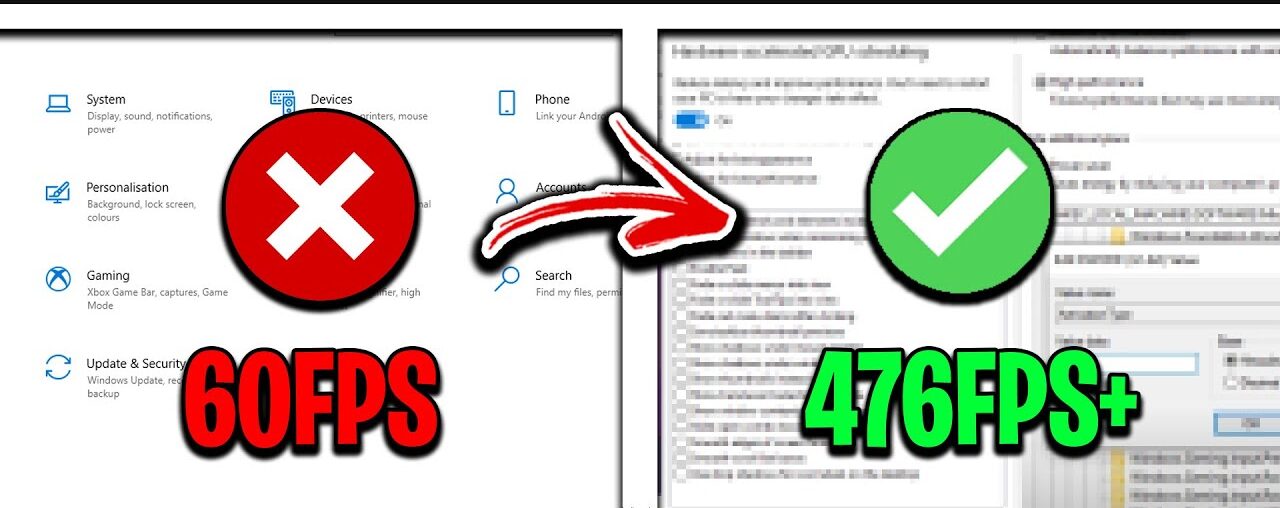
Windows includes several gaming-specific settings worth configuring properly. Game Mode prioritizes gaming performance when enabled correctly. Moreover, hardware-accelerated GPU scheduling can improve frame rates noticeably.
Furthermore, disabling visual effects frees resources for games instead. Fancy animations and transparency effects waste processing power continuously. Switching to performance-focused visual settings helps significantly.
Additionally, power settings dramatically affect gaming performance on laptops especially. High-performance mode ensures maximum speed during gaming sessions. These Windows adjustments help optimize your PC for gaming performance effectively.
In-Game Settings That Boost Performance
Game settings offer tremendous control over performance versus visual quality. Understanding these options helps you find the perfect balance. Small adjustments often yield significant frame rate improvements.
Resolution and Display Settings
Resolution impacts performance more than almost any other setting. Lower resolutions require less GPU power to render each frame. However, reducing resolution too much makes games look noticeably worse.
Furthermore, windowed versus fullscreen modes affect performance differently. Fullscreen exclusive mode typically delivers the best frame rates. Moreover, disabling V-sync reduces input lag for competitive gaming.
Additionally, frame rate limits can actually improve gaming experience sometimes. Consistent frame rates feel smoother than fluctuating higher numbers. Finding the right balance helps optimize your PC for gaming performance.
Graphics Quality Adjustments
Individual graphics settings have varying performance impacts worth understanding. Shadow quality typically demands significant processing power from your system. Therefore, reducing shadow detail often provides major performance gains.
Moreover, anti-aliasing smooths jagged edges but costs performance heavily. Lower anti-aliasing settings or alternatives like FXAA work well. These options provide acceptable visual quality with much less performance cost.
Furthermore, draw distance and texture quality affect both visuals and performance. Finding settings that match your hardware capabilities takes experimentation. Most games include benchmark tools to help test different configurations.
Using Performance Boosting Technologies
Modern graphics cards include technologies designed specifically for performance. NVIDIA DLSS uses AI to boost frame rates while maintaining quality. Similarly, AMD FSR provides performance improvements across various hardware.
Additionally, ray tracing dramatically impacts performance when enabled. Disabling ray tracing often doubles frame rates in supported games. Consider whether visual improvements justify the performance cost carefully.
Furthermore, reflex and latency reduction technologies improve competitive gaming. These features reduce input delay for faster response times. Enabling them helps optimize your PC for gaming performance in multiplayer games.
Hardware Maintenance for Better Performance
Physical hardware maintenance prevents performance degradation over time. Dust buildup and thermal issues cause significant slowdowns gradually. Regular maintenance keeps your system running at peak efficiency.
Keep Your System Cool
Heat is the enemy of computer performance everywhere. When components overheat, they automatically reduce speed to prevent damage. Therefore, maintaining good cooling ensures consistent high performance always.
Furthermore, cleaning dust from fans and heatsinks improves airflow significantly. Compressed air removes buildup safely from sensitive components. Perform this cleaning every few months for best results.
Additionally, replacing thermal paste on CPU and GPU helps older systems. Thermal paste degrades over years and loses effectiveness gradually. Fresh paste can reduce temperatures by several degrees noticeably.
Upgrade Strategic Components
Sometimes optimization only goes so far with limited hardware. Strategic upgrades provide the biggest performance improvements cost-effectively. Understanding which components to prioritize saves money significantly.
Moreover, adding RAM often helps if your system has insufficient memory. Most modern games benefit from sixteen gigabytes minimum now. This relatively affordable upgrade eliminates memory-related bottlenecks effectively.
Furthermore, switching from hard drives to solid-state drives transforms loading times. SSDs load games and levels dramatically faster than traditional drives. This single upgrade provides the most noticeable everyday improvement.
Maintain Your Storage Drives
Storage drive health affects gaming performance more than many realize. Fragmented hard drives slow down loading times considerably. Although SSDs do not need defragmentation, they benefit from other maintenance.
Additionally, keeping adequate free space ensures drives operate efficiently. Drives near capacity slow down significantly and may cause issues. Maintain at least fifteen percent free space for optimal performance.
Furthermore, regularly removing unused games frees valuable storage space. Game libraries grow quickly and consume enormous amounts of storage. Managing your collection helps optimize your PC for gaming performance.
Conclusion
Learning to optimize your PC for gaming performance transforms your entire experience. From simple software tweaks to hardware maintenance, every improvement adds up. These techniques help you enjoy smoother gameplay without expensive upgrades.
Remember that optimization is an ongoing process, not a one-time task. Regular maintenance and updates keep your system performing at its best. When you consistently optimize your PC for gaming performance, you maximize your investment and enjoyment.
Start with the easiest software changes and progress to more advanced techniques. Test your results and adjust settings based on your specific games. Your perfect gaming experience awaits with just a little optimization effort.
Referred Resources for More Information:
For additional technology tips and security insights, visit these helpful resources: